
How to Buy a Home in Roanoke VA This Summer Without Overpaying
How to Buy a Home in Roanoke VA This Summer Without Overpaying
Buying a home in Roanoke VA this summer does not mean you have to choose between moving fast and making a smart decision. The better goal is to know your numbers, understand the local market, and recognize when a home is truly worth competing for.
That matters in Roanoke because buyers are often comparing several different areas at once. A home in South Roanoke may compete differently than one in Cave Spring, Salem, Vinton, Botetourt County, or another part of Roanoke County. Price is only one piece of the decision. Condition, location, financing, timing, and resale appeal all affect whether a house is a good buy.
If you are starting your search, J&D’s buying in Roanoke resources are a useful first step. This guide goes a level deeper: how to compete this summer without getting pulled into a panic offer.
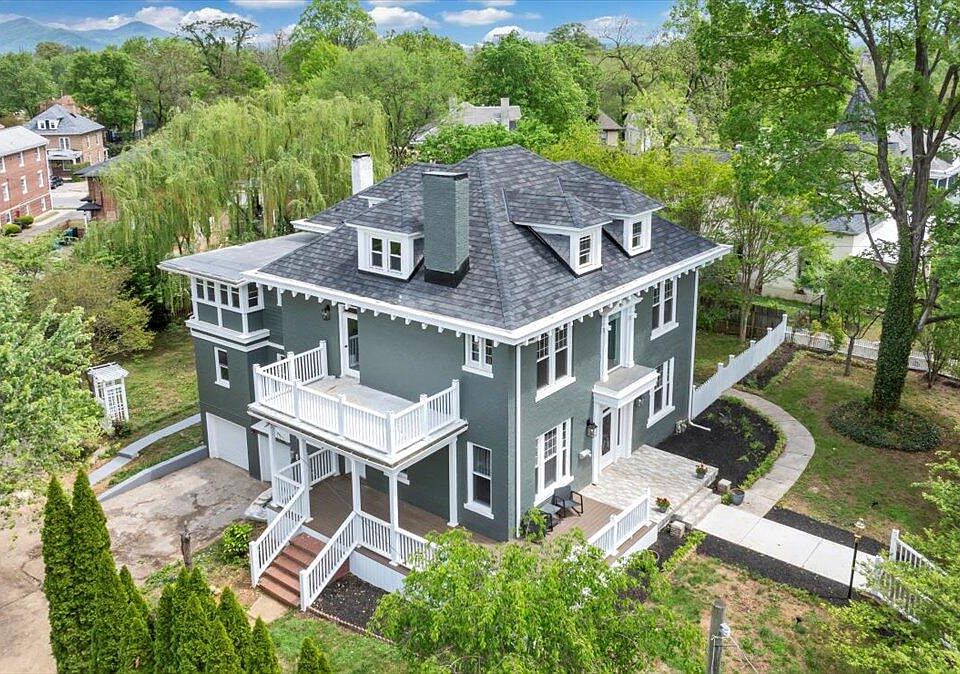
Start With the Payment, Not the List Price
A pre-approval tells you what a lender may allow. It does not always tell you what will feel comfortable after you move in.
Before you tour seriously, look at the full monthly picture: mortgage payment, taxes, insurance, utilities, HOA dues if they apply, maintenance, commuting costs, and the cash you want left after closing. A buyer who only focuses on the top-line purchase price can end up stretched by the actual cost of owning the home.
This is especially important when rates, insurance, and property taxes affect affordability. J&D’s guide to how much house you can really afford in Roanoke VA in 2026 is a good companion piece before you start making offers.
A stronger budget gives you a clearer line between a smart stretch and an emotional overbid. Sometimes the right move is to compete hard. Sometimes the right move is to let another buyer have the house.
Know What Makes a Home Worth More
Not every home listed above your original comfort zone is overpriced. Not every lower-priced home is a bargain.
A house with a newer roof, updated HVAC, solid drainage, a functional layout, and a location that fits your daily life may justify a stronger offer than a cheaper home that needs major work. On the other hand, cosmetic updates can make a property feel more valuable than it really is if the underlying systems are aging or the location does not fit your plans.
This is where local context matters. A home near Grandin Village, Cave Spring, South Roanoke, Salem, or Bonsack may attract different buyer demand for different reasons. School zones, commute patterns, lot size, walkability, and neighborhood consistency all affect value.
Before you decide a home is “too expensive” or “a great deal,” compare the price to recent sales, likely repair needs, and what similar buyers will value when you eventually resell.
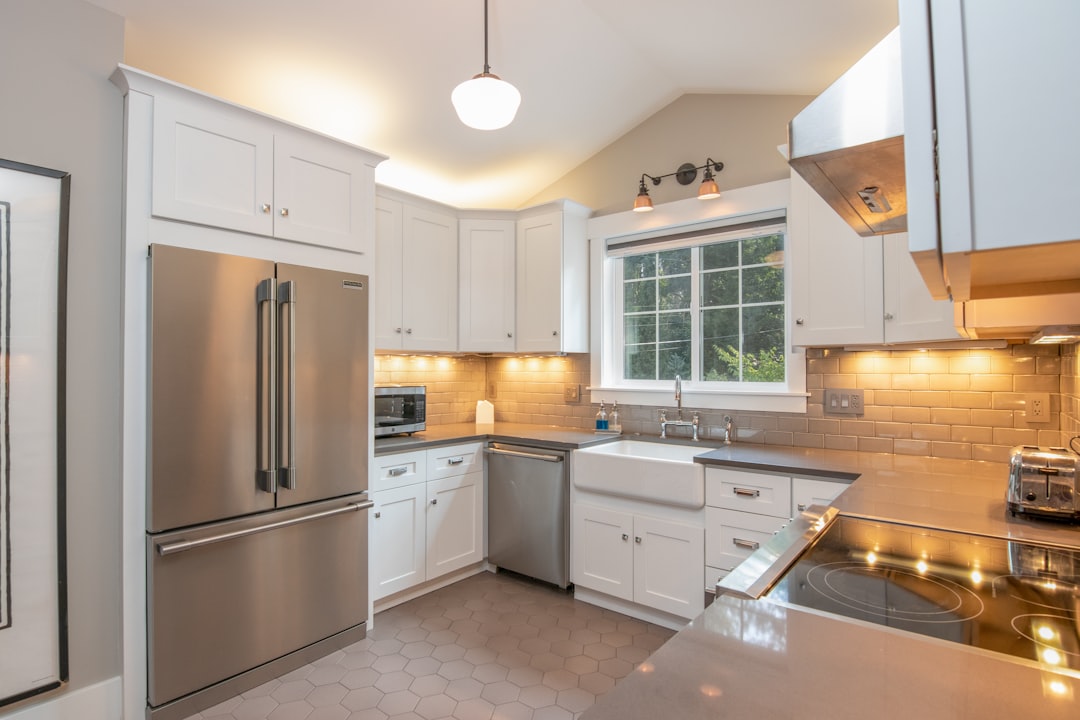
Compare Neighborhood Fit Before You Fall for the House
One of the easiest ways to overpay is to fall in love with a house before you have decided whether the area actually fits your life.
Roanoke-area buyers often search across multiple submarkets at the same time. A buyer may like the character of older homes in Roanoke City, the convenience of Cave Spring, the space available in parts of Botetourt County, or the community feel in Salem or Vinton. Those are not interchangeable choices.
Use J&D’s Roanoke real estate guide to narrow your thinking before showings become urgent. If you are torn between older-home character and newer construction, their post on new vs. old homes in Roanoke can also help you think through maintenance, layout, and long-term fit.
The best house on paper may not be the best purchase if the commute, school zone, yard, parking, or renovation tolerance does not match your daily life.
Be Prepared Before the Right Home Hits
Preparation does not mean rushing. It means removing avoidable delays so you can act calmly when the right home appears.
Before you tour seriously, have your lender documents updated, know your comfortable payment range, and agree on your must-haves with anyone involved in the decision. You should also know how flexible you are on timing, repairs, and closing costs.
A prepared buyer can move quickly without guessing. An unprepared buyer may either hesitate and lose the house, or overcorrect by making a rushed offer without enough context.
If the home is competitive, J&D’s article on how to write an offer that stands out is worth reviewing before you are under a deadline. Offer strength is about more than price. Financing, contingencies, inspection terms, closing date, earnest money, and the seller’s needs can all matter.

Use Inspections and Condition to Protect the Decision
In a busy summer market, buyers can feel pressure to downplay condition. That is where overpaying often begins.
Older Roanoke-area homes can be excellent purchases, but you need to understand what you are taking on. Roof age, HVAC condition, electrical updates, plumbing, basement moisture, crawlspace condition, drainage, windows, decks, and signs of rushed renovations can all change the real cost of the home.
That does not mean every issue should scare you away. A home with known repairs may still be a good buy if the price and terms account for them. The risk is paying a premium price while also inheriting premium repairs.
J&D’s guide to common home inspection red flags is a useful reference when you are deciding which issues are normal, which deserve negotiation, and which may change the whole deal.
Know When a Strong Offer Becomes a Panic Offer
A strong offer is based on market evidence. A panic offer is based on fear.
Before going above asking, pause long enough to ask whether comparable sales support the price, whether the home’s condition justifies the number, and whether you would still feel good about the payment six months from now. If the appraisal came in low, you should already know what your plan would be.
There are times when paying above list price is reasonable. If the home is rare for your needs, priced strategically, and supported by recent sales, a strong offer may be the right move. But if the only reason you are stretching is because another buyer might win, slow down.
This is also where interest rates matter. A small rate difference can change monthly payment and total affordability, which is why J&D’s post on how interest rates impact your home buying budget is helpful when you are comparing offer scenarios.

Do Not Forget Closing Costs and Cash After Closing
Overpaying is not only about the purchase price. It can also happen when a buyer uses too much cash to win the home and has too little left afterward.
In Virginia, buyers need to plan for lender fees, title costs, prepaid taxes and insurance, inspections, appraisal fees, moving expenses, and possible repairs after closing. If you drain your reserves to make the offer work, even a good house can start to feel stressful.
Before you decide how aggressive to be, review your cash position after closing. J&D’s article on buyer closing costs in Virginia can help you avoid treating the down payment as the only cash number that matters.
A smart offer leaves you with enough room to own the home comfortably, not just enough money to buy it.
Make the Right Move, Not Just the Fastest Move

Buying a home in Roanoke VA this summer may require speed, but it should not require panic.
The buyers who make the best decisions usually know their real budget, understand neighborhood tradeoffs, review condition carefully, and use offer terms strategically. They are ready when the right house appears, but they are not so emotionally attached that they ignore price, repairs, or long-term fit.
If you are planning to buy in Roanoke, Roanoke County, Cave Spring, Salem, Vinton, Botetourt County, Bedford County, or anywhere in the Roanoke Valley, connect with the J&D Realty Team before the search gets serious. Start with their buying resources, then build a plan around your actual goals, budget, and timeline.