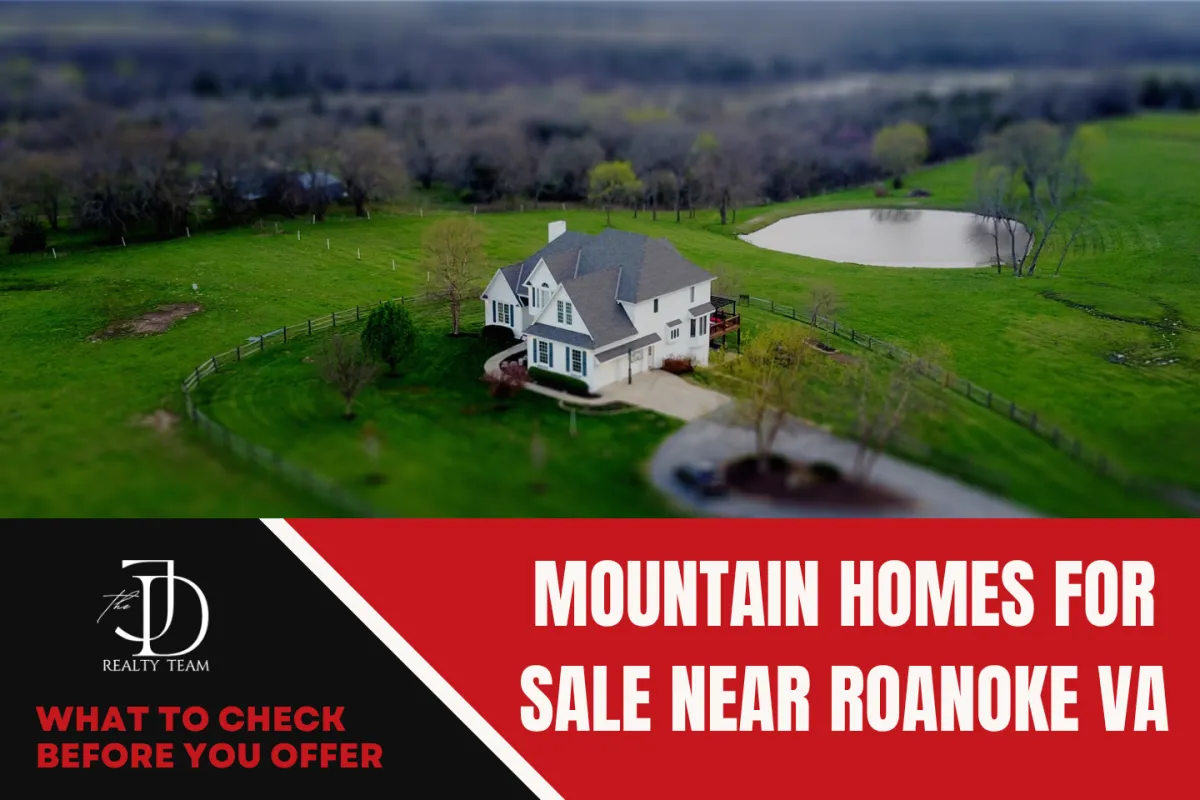
Mountain Homes for Sale Near Roanoke VA: What to Check Before You Offer
Searching for mountain homes for sale near Roanoke VA can bring up exactly the kind of property many buyers hope to find: a quieter setting, more privacy, a larger view, or a home tucked into the trees. It can also bring questions that do not show up in a bedroom or square-footage filter.
Parts of Roanoke County, Botetourt County, and nearby communities can have steep lots, winding roads, long driveways, or private utility arrangements that deserve a closer look. None of those details automatically make a home a poor choice. They do mean the land and access deserve as much attention as the kitchen and living room.
Start with the drive, not the view

A mountain home can feel close to Roanoke on a map and still create a very different daily routine. Test the route at the time you would normally leave for work, school, medical appointments, or errands. A drive toward downtown Roanoke, Salem, or a hospital campus may feel manageable on a quiet weekend and less convenient during your normal week.
Pay attention to the last part of the trip. How narrow is the road? Are there steep grades, sharp turns, limited sight lines, or places where two vehicles cannot pass comfortably? Can a delivery truck, moving van, contractor, or emergency vehicle reach the house? These are practical questions, not reasons to talk yourself out of a property before you understand it.
The driveway needs its own review. Look at the slope, surface, drainage, and turning space. Check the condition near the house, then ask how it is maintained and whether responsibility is clear when the driveway or road is shared. A short driveway that climbs sharply may be more difficult in winter than a longer, flatter approach.
If access is provided by a private road, review the recorded access rights and any maintenance agreement during the due-diligence period. Do not rely on a casual description of who takes care of the road. The documents and the property's actual condition should support the decision.
Look at how water moves across the property
Mountain terrain makes water and drainage worth studying before you fall in love with the setting. Walk the lot after rain if possible, or ask what the owner and inspector have observed. Look for signs that water collects near the foundation, crosses the driveway, presses against a retaining wall, or moves toward a lower part of the yard.
Review the house's grading, gutters, downspouts, and foundation together. Include the crawlspace and retaining structures in the same site review. A wall that looks like part of the landscape may be carrying a real load. A steep driveway may need a drainage solution that is not obvious from listing photos. If there are signs of settlement, erosion, standing water, or past repairs, ask the appropriate professional to explain what was found and what remains uncertain.
Views and wooded lots have tradeoffs too. Trees can provide privacy and shade, but they may add maintenance and can affect access, roof exposure, or the usable area around the home. A sloped lot can offer a great outlook while leaving less level space for parking, a garden, a play area, or a future addition. Think about the way you will use the property on an ordinary Tuesday, not only the first afternoon you see the view.
Confirm utilities and future plans
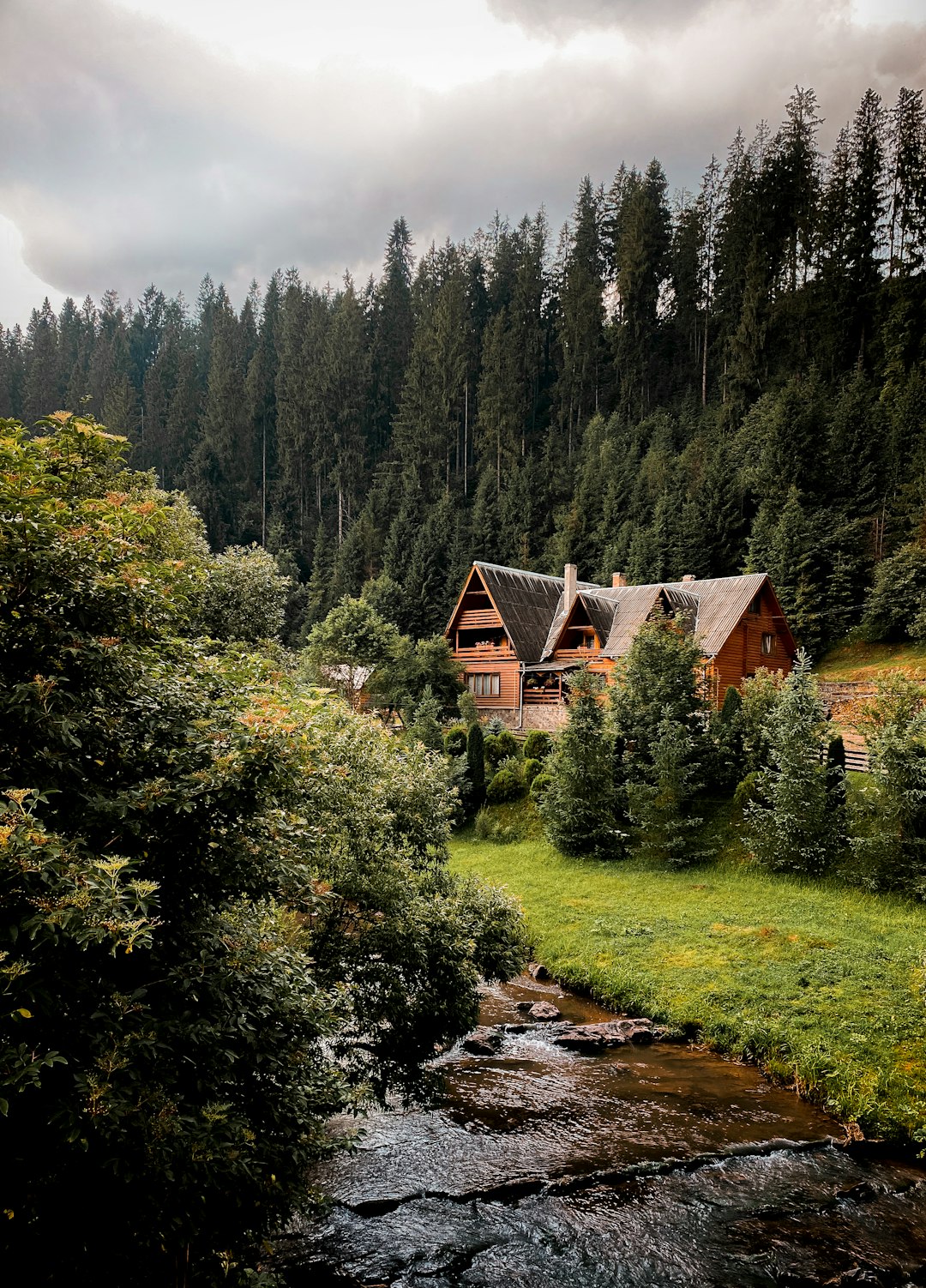
Before making an offer, identify how the property is served. It may have public water and sewer, a private well and septic system, or a combination of arrangements. Confirm the location and age of the equipment, available maintenance records, and any shared responsibilities. J&D's questions for buyers considering well and septic homes provide a useful starting point for that review, but the inspection plan still needs to fit the specific property.
Private well water should be tested rather than judged by a glass of water during a showing. The Virginia Department of Health suggests prospective buyers test private well water for basic indicators and other concerns that fit the property. Its private well guidance explains why testing matters and how site conditions can change the questions.
Septic records, the tank and drainfield locations, the permitted capacity, and any reserve area also matter. If you are imagining a garage, pool, addition, fence, or expanded driveway, ask whether the plan fits the available land and local requirements. The Virginia Department of Health's onsite sewage owner responsibilities page is a useful reference for ongoing care, but it is not a substitute for a property-specific evaluation.
Do the same practical check for internet, cell service, fuel, or other systems you rely on. Ask what is included, what is owned by the seller, and what a future repair or replacement could involve. A mountain setting may be worth the tradeoff, but the tradeoff belongs in the budget before you write an offer.
Review the house and the land as one decision
The interior can look updated while the larger property creates the bigger decision. During a showing, move beyond finishes and ask how the home works with its site. Check for a level place to unload groceries, workable visitor parking, sensible outdoor-equipment storage, and safe access to utility equipment.
For the home itself, pay attention to moisture, the foundation, the roof, and the heating and cooling system. Review the crawlspace or basement, windows, and any visible signs of movement or past water entry too. The right inspector may recommend a specialist for a retaining wall, chimney, well, or septic system. A structural concern or another property-specific question may require separate expertise. That is useful information, not an accusation against the house.
You should also compare the property with realistic alternatives. A home farther out may offer more land or a better view, while a home closer to town may make daily errands and maintenance easier. A similar price does not mean similar ownership. Compare the route, usable land, utility setup, and condition. Then weigh insurance questions and likely upkeep rather than letting the view make the whole decision.
Use the contract period to replace assumptions with evidence
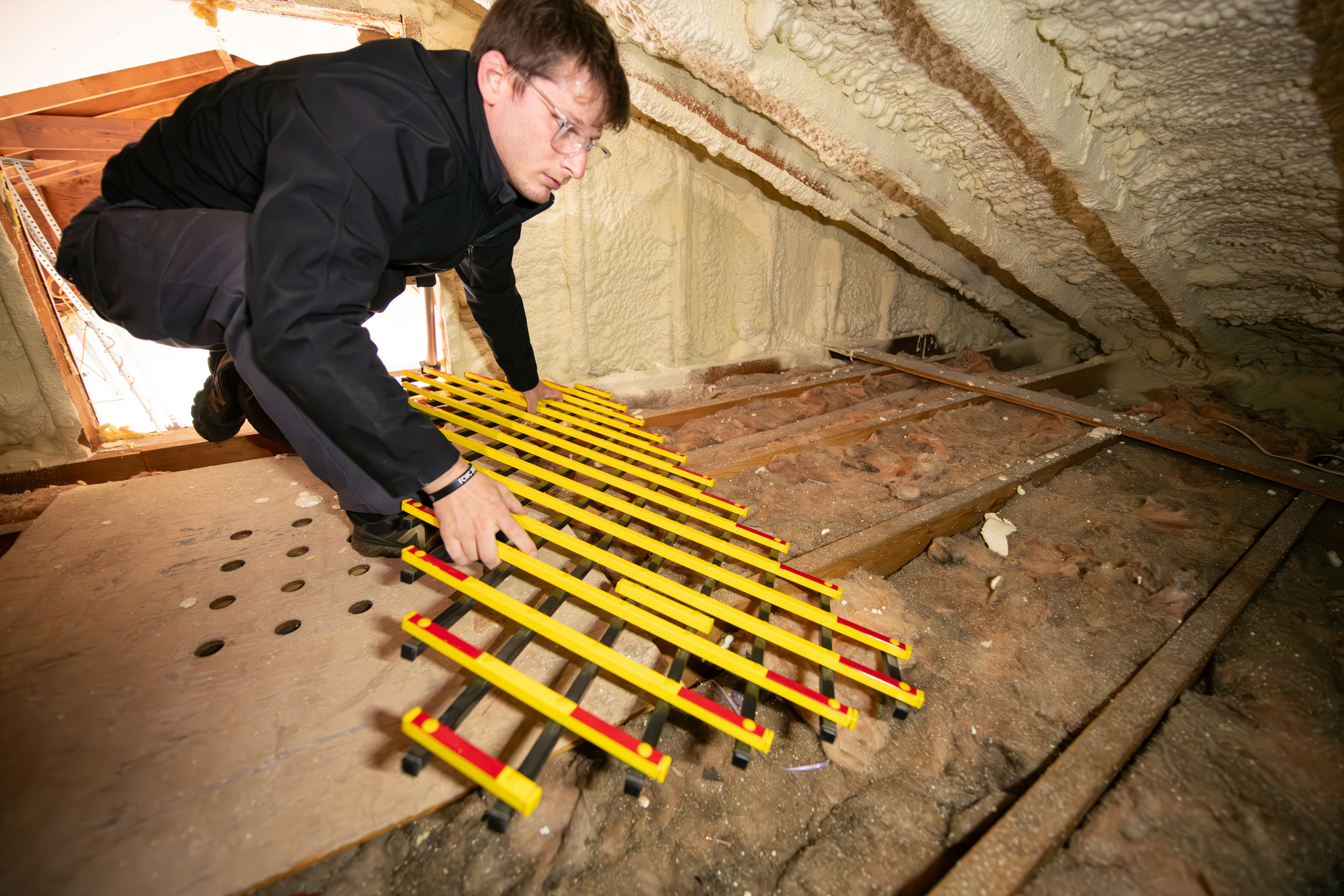
If the home still fits after the initial review, build the inspection period around the property. A general home inspection may need to be paired with well-water testing, septic evaluation, structural review, or chimney inspection. Survey questions, retaining-wall concerns, and private-road documents may call for their own follow-up. The right combination depends on what the property and records show.
When a report raises a concern, ask what is known, what was not inspected, and which professional can answer the next question. Separate a repair item from a safety concern, a maintenance cost, a missing document, and a limitation on your future plans. Those categories can affect an offer differently.
Contract terms and inspection rights vary. Buyers should review the specific agreement with their real estate professional and seek legal, insurance, or financial advice when the question falls outside the real estate conversation. The goal is simple: make the offer reflect the home, the land, and the responsibilities you are actually taking on.
Mountain home buying FAQs
Are mountain homes near Roanoke harder to buy?
Not necessarily. They can require a broader inspection and document review because access, drainage, utilities, and terrain may matter alongside the house. Future-use questions deserve their own review. Buyers who allow time to investigate those details can decide whether the tradeoffs fit their routine and budget.
How should I evaluate a steep driveway?
Drive it in both directions and look at the surface, drainage, turning space, visibility, and winter access. Ask who maintains it and whether larger vehicles can reach the house. If the condition raises questions, have the appropriate professional assess it rather than relying on a quick showing impression.
What should I inspect on a sloped lot?
Review grading, the foundation, crawlspace or basement, retaining structures, driveway drainage, and signs of erosion or standing water. The home inspector may recommend a structural, drainage, or retaining-wall specialist based on what they observe.
Can I add a garage or pool to a mountain property?
Maybe, but usable land, slope, access, and setbacks all matter. Utilities, septic layout, drainage, and local requirements need to support the plan too. Treat the project as a question to verify before making the property's future potential part of your offer decision.
Is a view worth paying more for?
A view may be important to you, but its value depends on what else comes with the property. Compare it with the route, condition, usable land, and privacy. Then consider maintenance, utility costs, and whether nearby trees or development could change it. The best answer is the one that fits your priorities and finances.
If you are comparing mountain homes for sale near Roanoke, start with the home you can see, then study the land and the route you will use every week. J&D helps buyers organize those questions and decide which property deserves a closer look. Start a Roanoke-area home search with J&D.