Buying a Home in Vinton VA: What to Compare Before You Offer
Buying a home in Vinton VA can put you close to a small-town center, established neighborhoods, and the rest of the Roanoke Valley. It can also make a broad online search feel more precise than it really is. A listing may use Vinton in its address even when the property is outside the incorporated town limits, and two homes with the same mailing city can have different routes, services, taxes, and school assignments.
That does not make the search complicated for its own sake. It means the address deserves a closer look before the home becomes the one you want to buy. J&D's Vinton real estate guide is a useful starting point. Once you have a specific listing, compare the parcel, the daily routine, the home's condition, and the nearby alternatives together.
Start with the exact location, not just the Vinton label
The Town of Vinton is in Roanoke County and is separate from Roanoke City. Some listings described as Vinton may be outside the town limits, so the mailing address alone does not answer every question about services, taxes, utilities, or school assignment. Verify the specific parcel and ask the right professionals or local offices when a detail affects your decision.
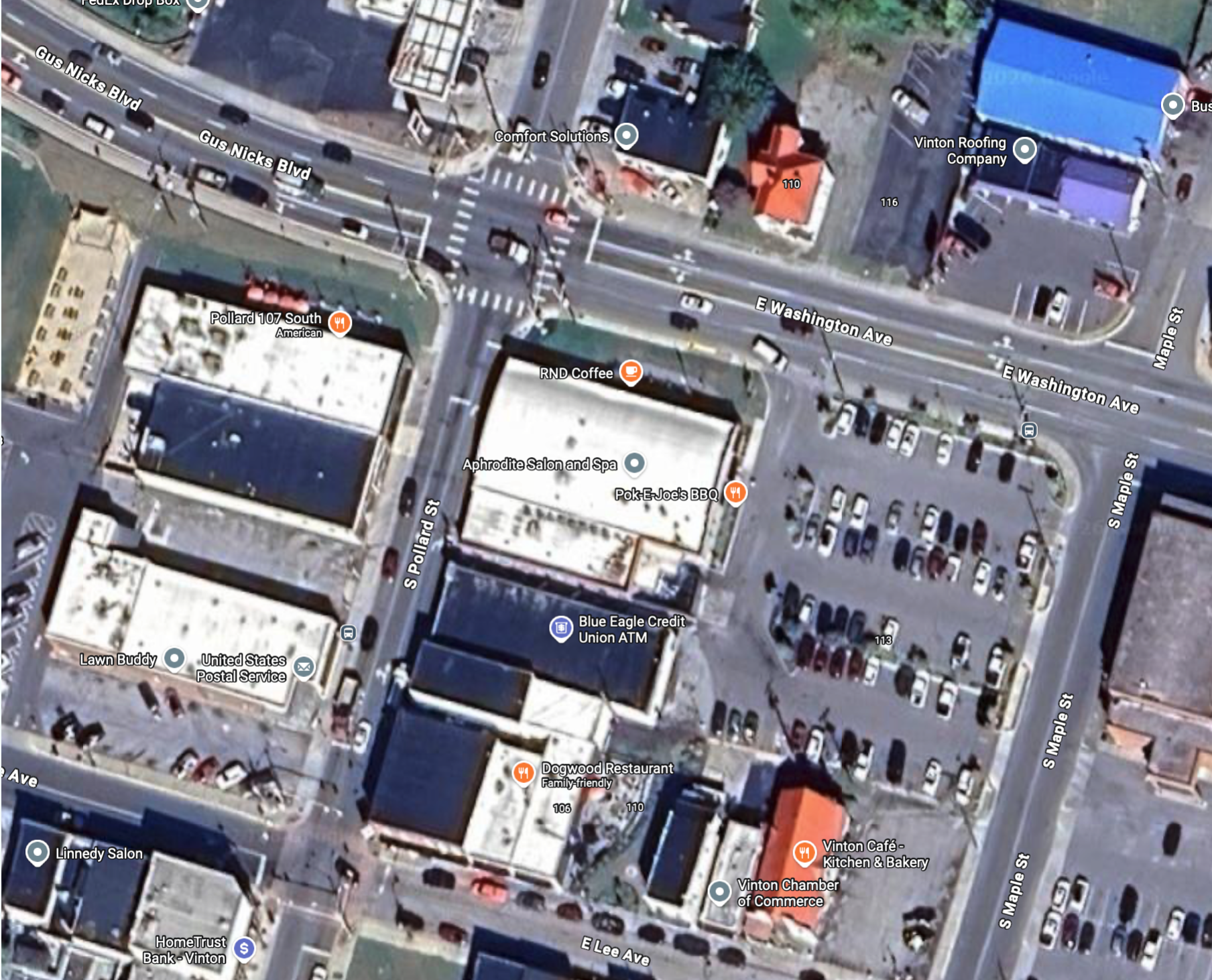
Look at where the home sits relative to the busy Pollard Street area, Washington Avenue, Route 24, and the roads you would use most often. Do not treat the listing's city field as a substitute for a real traffic flow map. The exact street can change the feel of the drive, the lot, the surrounding housing, and the services that apply.
If a school district assignment matters to your move, verify it for the address rather than relying on an old listing description or a general neighborhood label. Some neighborhoods are actually split by the school districts. The same approach applies to town limits, utility arrangements, and any question about a private road or shared access.
Test the daily route before you fall for the house
A home can look like a good Roanoke Valley compromise on a portal map and still feel wrong once you drive the route you would actually use. Try the trip at the time you expect to make it. Notice the turns, the road type, where you would park, and how easy it is to continue to errands after work.
The goal is not to promise a certain commute time. It is to see whether the home fits your week. A buyer who works downtown may weigh the route differently from someone who spends most of the day in Bonsack, Salem, or elsewhere in the valley. A household with children or pets may care just as much about drop-off, groceries, parking, and the walk from the car to the entry. Frequent visitors can change that calculation too.
Spend a few minutes outside the property too. Listen for the sounds you would hear at different times, look at how neighboring lots relate to the home, and notice whether the driveway and street parking work for your routine. Online photos cannot answer those questions.
Compare the home's age and condition with the price
Vinton has homes built across several decades, so the inspection questions will vary from one property to the next. A renovated kitchen is pleasant to see, but it does not tell you the age of the roof or heating and cooling equipment. Ask separately about the electrical system, plumbing, windows, and water heater.
Ask what was updated and when the work happened. Find out whether permits, invoices, warranties, or contractor records are available. A seller's answers are useful context, but an inspection and appropriate specialist reviews still matter. Look for drainage patterns, foundation movement, and basement moisture. Also note patched ceilings, uneven floors, or work that appears unfinished. These observations do not provide a final diagnosis. They help you decide what needs to be investigated during the contract period.
The lot deserves the same attention as the house. Check the slope, retaining walls, mature trees, and driveway. Then note the fencing and any shared access. If the property uses a private well or septic system, add records and system inspections to the plan. J&D's guide to questions for buyers considering a Roanoke-area home with well or septic can help you start that conversation.
Compare Vinton with nearby options on the same terms
Many buyers compare Vinton with east Roanoke, Bonsack, or another part of Roanoke County. That comparison is useful when it is specific. Instead of asking which area is best in the abstract, compare homes that are reasonably similar in price, condition, lot, and parking. Then weigh the utility setup and daily route.
Portals help you find listings, but they do not know everything that affects the decision. They may not show the full condition story, how a road feels at your normal travel time, what a seller has documented, or how much work a lower-priced property may need after closing. They also cannot tell you whether a particular location fits your long-term routine.
Write down the tradeoffs. One home may have a shorter route but need more repairs. Another may have a better layout or more usable yard but a different tax or service picture. A third may be outside town limits while still using Vinton as its mailing city. Clear comparisons are more useful than a general ranking of locations.

Build the offer around what you can verify
Once the property makes sense, your offer still needs to leave room for due diligence. Review your financing and expected cash needs with your lender. Make sure the price, deposit, inspection period, and appraisal terms fit the transaction you are actually entering. Confirm the settlement timing and any other contingencies separately.
Ask for the property information and disclosures available for the home. If the seller mentions additions, repairs, easements, or shared drives, ask how those details will be documented and which professional should verify them. Ask separately about any planned work. Real estate guidance can help organize the questions and contract process. Legal and tax questions belong with the appropriate licensed adviser, as do insurance, engineering, and lending questions.
J&D's buyer guidance can help you connect the local property questions to the wider purchase process. The point is not to remove every unknown before you offer. It is to know which unknowns deserve an answer and to avoid treating a portal listing as the complete picture.
Vinton home-buying FAQs
Is Vinton part of Roanoke City or Roanoke County?
The Town of Vinton is in Roanoke County and is separate from Roanoke City. A Vinton mailing address does not by itself confirm town limits, taxes, services, or school assignment, so verify the parcel when those details matter to your decision.
What should I compare when looking at Vinton homes?
Compare the exact location, daily route, condition, and lot. Then weigh the parking, utility setup, price, and likely near-term work. Then compare that home with similar properties in east Roanoke, Bonsack, and nearby Roanoke County areas instead of relying on a broad area label.
Are older Vinton homes harder to buy?
Not automatically. Older homes can have good locations and useful layouts, but the inspection plan should account for the roof, systems, drainage, and foundation. Review previous improvements separately. A buyer should understand the likely work before deciding what price and terms fit.
Should I choose Vinton over Roanoke or Bonsack?
There is no universal answer. The geography and commutes to downtown Roanoke are similar. Compare the home's condition, price, route, and lot. Then weigh the housing style, services, and future plans. The right choice is the one that fits your budget and routine after the property-specific details are checked.
How can a Vinton buyer avoid making a decision from the listing alone?
Drive the route, visit at more than one time of day when possible, ask for records, and review the parcel-specific details. Use the inspection period well. A local comparison can also help you see whether the home is a good fit or simply the first listing that looked close to your search filters.
If you are looking at homes in Vinton, J&D can help you compare the address, condition, price, and nearby alternatives before you commit. Start with the details that affect your real week, not just the ones that fit in a listing card.