Buying a Home on a Private Road Near Roanoke VA: What to Ask Before You Offer
Buying a home on a private road near Roanoke VA can be a good fit, especially when the setting, lot, or home gives you something the typical subdivision search does not. The road itself deserves the same careful attention as the house. Before you offer, find out who maintains it, how access works, what the paperwork says, and what costs or practical limits could follow you after closing.
Our home-buying guidance can help with the broader process, but the road arrangement is specific to the property. Treat the listing as a starting point and verify the details with the right records and professionals.
First, find out who owns and maintains the road
Start with a simple question: is the road publicly maintained, privately maintained, or part of a shared arrangement that is easy to misunderstand? A road can look like an ordinary neighborhood street while the maintenance responsibility belongs to a group of property owners. Ask the listing agent and the seller for a clear explanation, then confirm the answer through the available property and locality records.
Find out who handles ordinary grading, gravel, paving, snow and ice, fallen trees, drainage, and emergency repairs. Ask whether the road has a gate, a width restriction, a turnaround issue, or a seasonal condition that affects access. You do not need to assume a private road is a problem. You do need to know what happens when the road needs work on a weekend or after a major storm.
If several owners share the road, ask how decisions are made and how costs are divided. A casual understanding between neighbors may not answer the same questions as a recorded maintenance agreement. Have a title professional or attorney review the easements and agreements when the road affects your rights, obligations, financing, or offer terms.

Read the access and maintenance paperwork
Ask for the documents that explain access to the property. Depending on the home, that may include a recorded easement, a road-maintenance agreement, a plat, a shared-drive agreement, or records of past repairs. Look for the actual route, not only a verbal description. An easement may establish access without answering every question about maintenance or cost.
Pay attention to who can use the road, who can authorize work, and how a repair bill is allocated. Ask whether there are unpaid assessments, disputes, recent work, or planned improvements. If the seller has paid for grading, paving, culvert work, or snow removal, request whatever invoices or correspondence are available. The history can tell you more than a single showing.
This is also where the right specialist matters. A real estate agent can help identify the practical questions and documents. A title company or attorney can explain the legal effect of an easement or agreement. A lender may have its own access and marketability requirements. Keep those roles separate instead of asking one person to answer every question.
Look beyond the driveway: drainage, slope, and year-round access
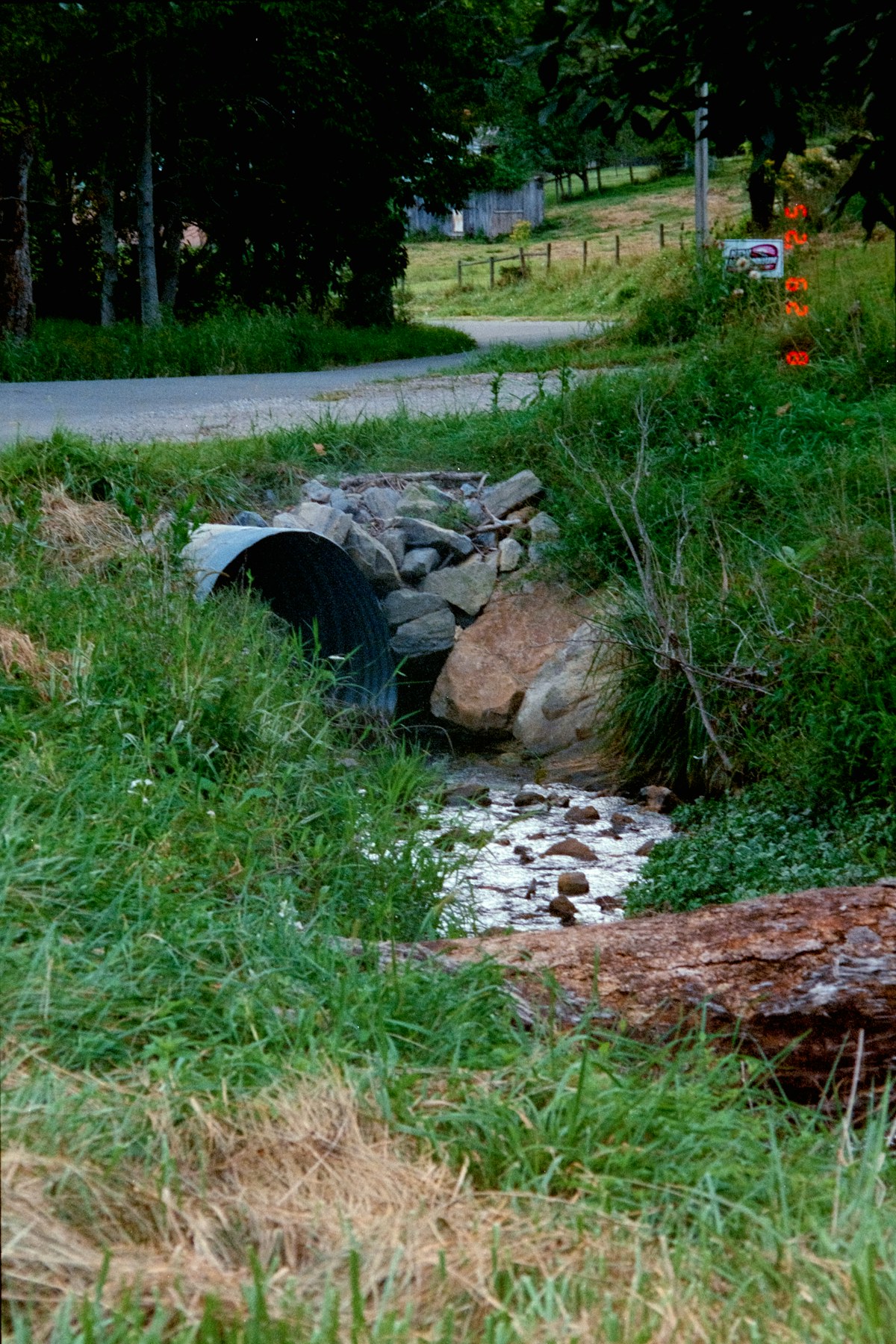
A private road near Roanoke may cross a slope, pass through wooded ground, or include a low point where water collects. Look at the road surface, ditches, culverts, shoulders, retaining structures, and places where runoff could move toward the driveway. Notice whether the road narrows, turns sharply, or becomes difficult to see around a bend. These observations do not replace an inspection, but they give you better questions.
For homes near streams or low-lying ground, use the FEMA flood-map resources as one part of the research. A map is not a property inspection or a complete answer about drainage. Ask the appropriate local office and qualified professionals about the property-specific issues that matter to your decision, including grading, culverts, erosion, and past water events.
Think about access in the seasons you are actually going to live there. How would the road handle heavy rain, freeze and thaw, fallen limbs, or a delivery truck? Who clears snow if the road is not publicly maintained? Could a contractor, moving truck, or emergency vehicle reach the house? Ask the people who would be responsible rather than guessing from a dry-weather showing.
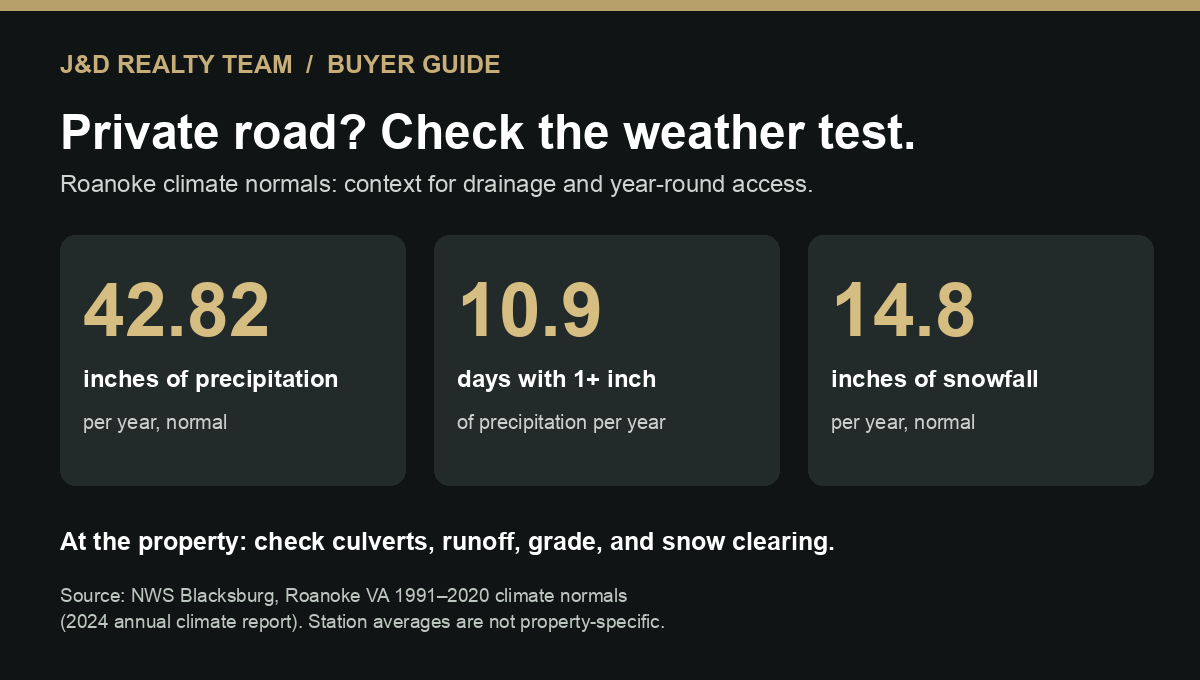
Roanoke 1991–2020 climate normals; NWS Blacksburg annual report. Station averages are not property-specific.
Check utilities and services before you assume the setup works
The road arrangement can affect more than driving. Confirm how mail, trash pickup, deliveries, school transportation, and utility access work at the property. If a private road crosses multiple parcels, ask whether utility or service vehicles have any access limits. A home may have the services you need, but the route and responsibility for maintaining the access can still matter.
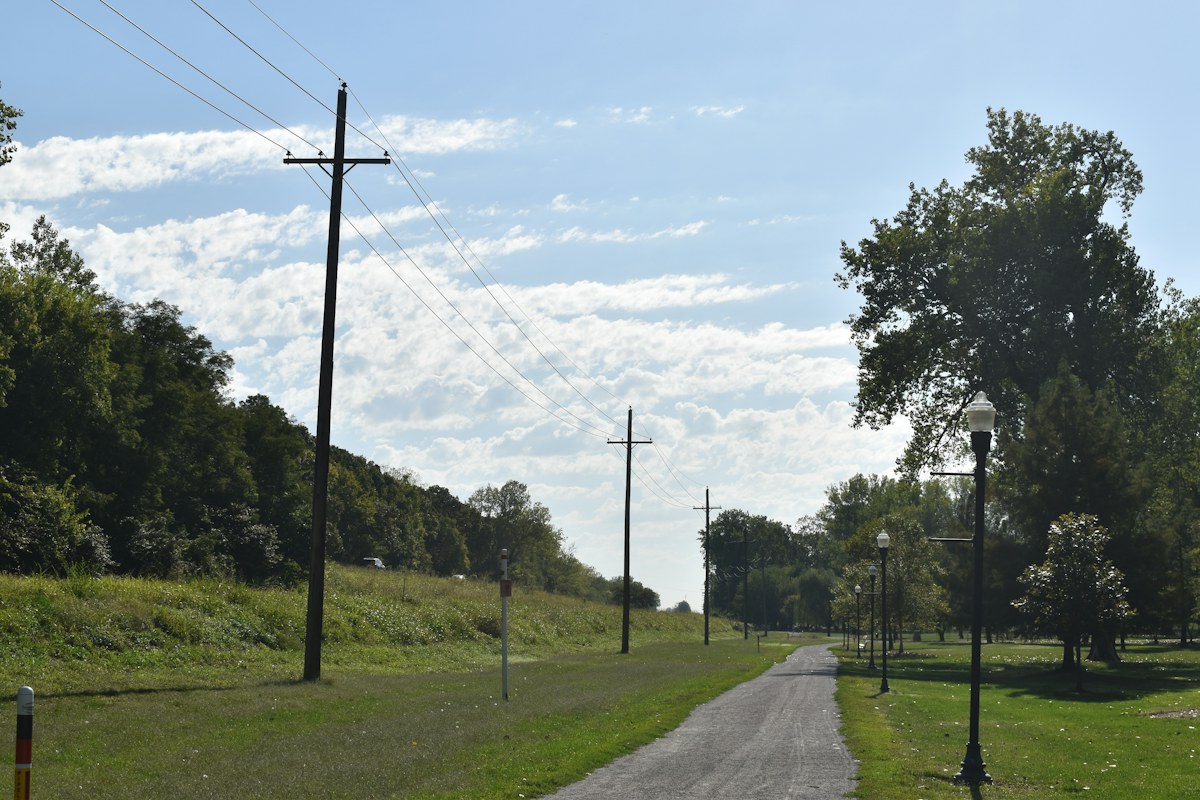
Check utility, delivery, and emergency access for the actual property.
Review the driveway and parking area with the same care. Ask where visitors turn around, whether the grade is manageable, and whether the surface needs regular work. If the house uses a well, septic system, propane, a shared utility, or another property-specific setup, add those systems to the due-diligence questions. Each system needs its own qualified review.
Also ask whether the property address is easy for service providers and emergency responders to identify. If there is a gate or a long shared drive, confirm how access is handled. These are ordinary questions, but they are easier to answer before an offer than after a problem appears.
Compare the home's price with the road's condition
A private road is not automatically a reason to discount a home, and a quiet setting is not automatically a reason to pay more. Compare the full property with similar Roanoke Valley homes while accounting for the road, lot, condition, major systems, commute, and likely maintenance. If a home needs a shared-road contribution soon, that belongs in the conversation about the total cost of ownership.
Ask how the road affects your everyday routine and your future plans. Would you be comfortable coordinating repairs with other owners? Would a future buyer understand the arrangement? Does the property have the access and documentation a lender, insurer, appraiser, or title professional will want to see? Those questions are part of deciding whether the home fits, not a reason to create drama around a normal property difference.
J&D's Roanoke-area guide can help with the broader location comparison, while the road documents and property-specific inspections answer the narrower questions. If the private road is central to your offer, bring the records, inspection findings, and financing requirements together before you decide on price and terms.
Private-road home-buying FAQs near Roanoke VA
How can I tell whether a road is private?
Ask the seller and agent, then confirm through the available deed, plat, easement, maintenance agreement, and locality or road records. A road's appearance is not enough to establish who maintains it. If the answer affects your purchase, ask a title professional or attorney to review the documents.
Who pays when a private road needs repairs?
The answer depends on the recorded agreements and the ownership arrangement. It may be divided among adjoining owners, assigned in a specific formula, or handled through another documented process. Ask for the agreement, recent repair history, and any current or expected assessments.
Will a private road affect financing or insurance?
It can raise property-specific questions about legal access, maintenance, marketability, or risk, but the answer depends on the home, lender, insurer, and documents. Ask those providers early if the road is a major part of the decision. Do not rely on a general assumption about every private road.
Should I avoid a home on a private road?
Not necessarily. Some buyers value the setting and are comfortable with shared maintenance. The better question is whether the access, paperwork, cost, condition, and daily routine make sense for you. A clear arrangement is easier to evaluate than an arrangement nobody can explain.
How can J&D help me evaluate the property?
J&D can help organize the questions, compare the home with alternatives, and keep the road in context with the location, condition, price, and offer terms. Title, legal, lending, insurance, inspection, appraisal, and local-government questions still belong with the professionals responsible for those conclusions.
If a home on a private road near Roanoke catches your attention, take the road seriously without letting it make the decision for you. Understand who maintains it, review the access documents, inspect the physical conditions, and compare the complete cost with the way you plan to live.