Buying a Condo in Roanoke VA: HOA Questions to Ask Before You Offer
Buying a Condo in Roanoke VA: HOA Questions to Ask Before You Offer
Buying a condo in Roanoke VA can make certain parts of ownership simpler. Exterior maintenance or shared amenities may be handled through the association, and the location may fit your routine better than a detached home farther out.
The tradeoff is that you are buying into a shared structure as well as a private unit. Dues and association rules affect the decision. So do insurance responsibilities, reserve planning, and possible assessments. Before you offer, learn what the association covers and what remains your responsibility.
J&D's Roanoke real estate guide can help with the local side of the search. For a condo, add the association documents to the same early review.
Start with the monthly cost, not the list price
The list price is only one part of a condo budget. Ask for the current association dues, what they cover, and when they are collected. The answer may include common-area maintenance, exterior insurance, landscaping, and management services. Some communities also include trash, water, or amenities. It depends on the community.
Separate recurring dues from costs that may arrive less often. Ask whether the association has approved an increase, whether a special assessment is active or being discussed, and whether the budget shows upcoming work. A lower-priced unit can be a poor fit if the monthly obligation or near-term assessment does not work for your budget.
Your lender can help evaluate the payment and loan requirements. Your agent can help organize the property and association questions. Ask an insurance professional what coverage you need for the unit and your belongings, since the association's policy may not cover everything inside your walls.
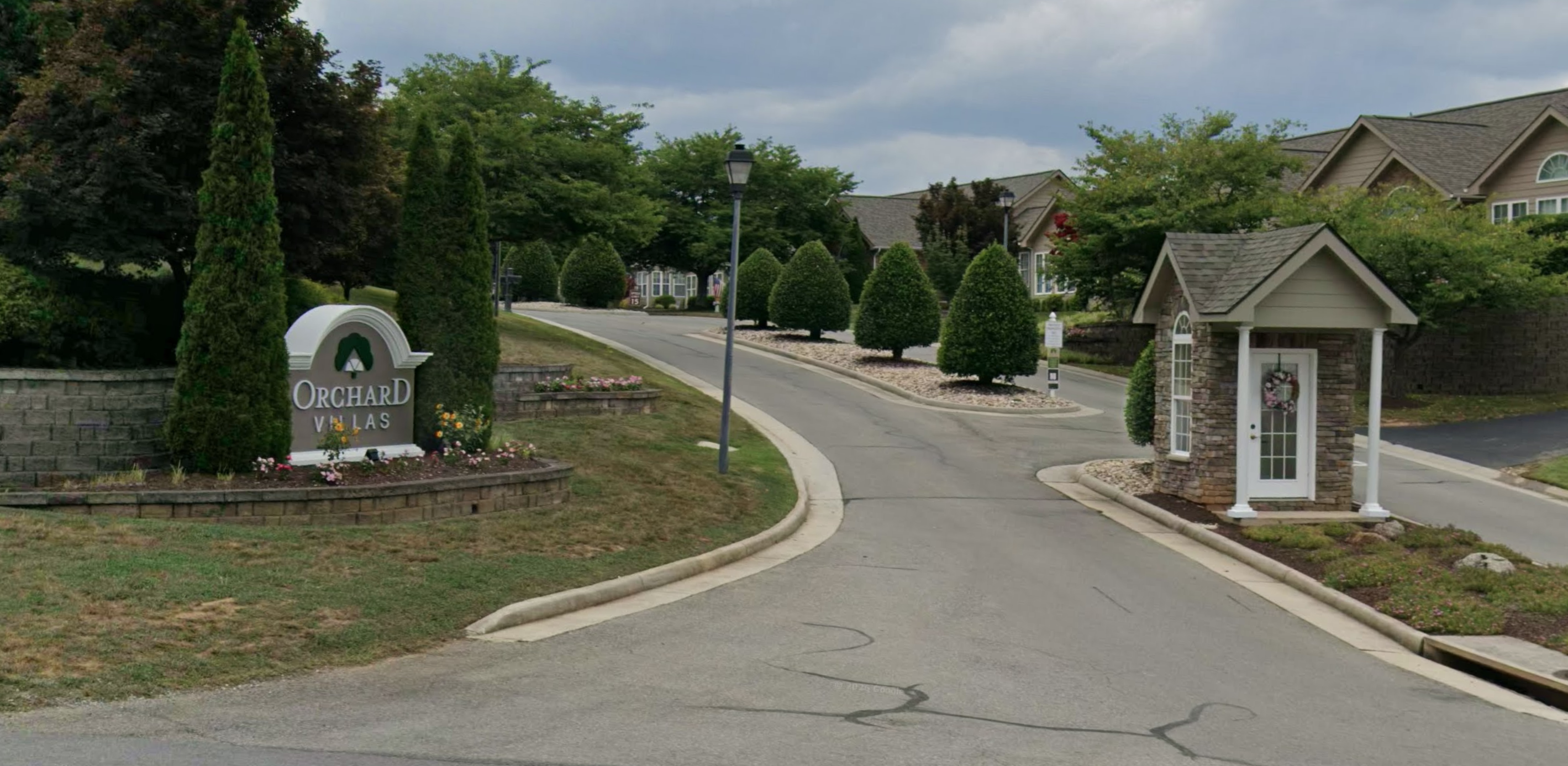
Find out what the association actually maintains
Do not assume that the word condo answers every maintenance question. Read the declaration and bylaws. Then check the current rules, budget, and other association materials that apply to the unit. Look for the boundary between common elements and the parts the owner must repair.
Ask who handles the roof, siding, windows, and balconies. Then check responsibility for plumbing serving multiple units, parking areas, elevators, and shared mechanical systems. The documents may assign responsibility differently than a buyer expects. Ask how exterior changes and renovations must be approved. Confirm separately how the rules apply to doors, flooring, and HVAC equipment.
During the showing, look at the condition of common areas as well as the unit. Notice entry doors, hallways, stairwells, and parking. Then look at drainage, lighting, and any visible deferred maintenance. A showing cannot answer every construction or maintenance question, but it can point you toward the records and professionals you need.
For a broader explanation of common-interest communities, the Virginia Department of Professional and Occupational Regulation's Common Interest Community Ombudsman page identifies condominiums, property owners associations, and real estate cooperatives as distinct types of communities. The name of the association matters because the governing documents and review questions can differ.
Read the rules against the way you live
Association rules are not a footnote. They may cover pets, rentals, parking, and guests. Other rules may address noise, renovations, grills, storage, or use of shared amenities. Ask for the current rules and any pending changes, then compare them with your actual plans.
If you may rent the unit later, ask about rental caps, minimum lease terms, approval requirements, and waitlists. If you have a dog, confirm the size, number, and breed rules rather than relying on a casual answer. If you work from home or plan to remodel, ask how the rules treat alterations and contractor access. Ask separately about deliveries, flooring, and other changes.
Also ask what happens when a rule is violated. The purpose is not to look for a reason to reject every association. It is to understand the agreement you would be joining before your offer depends on a plan the community does not allow.
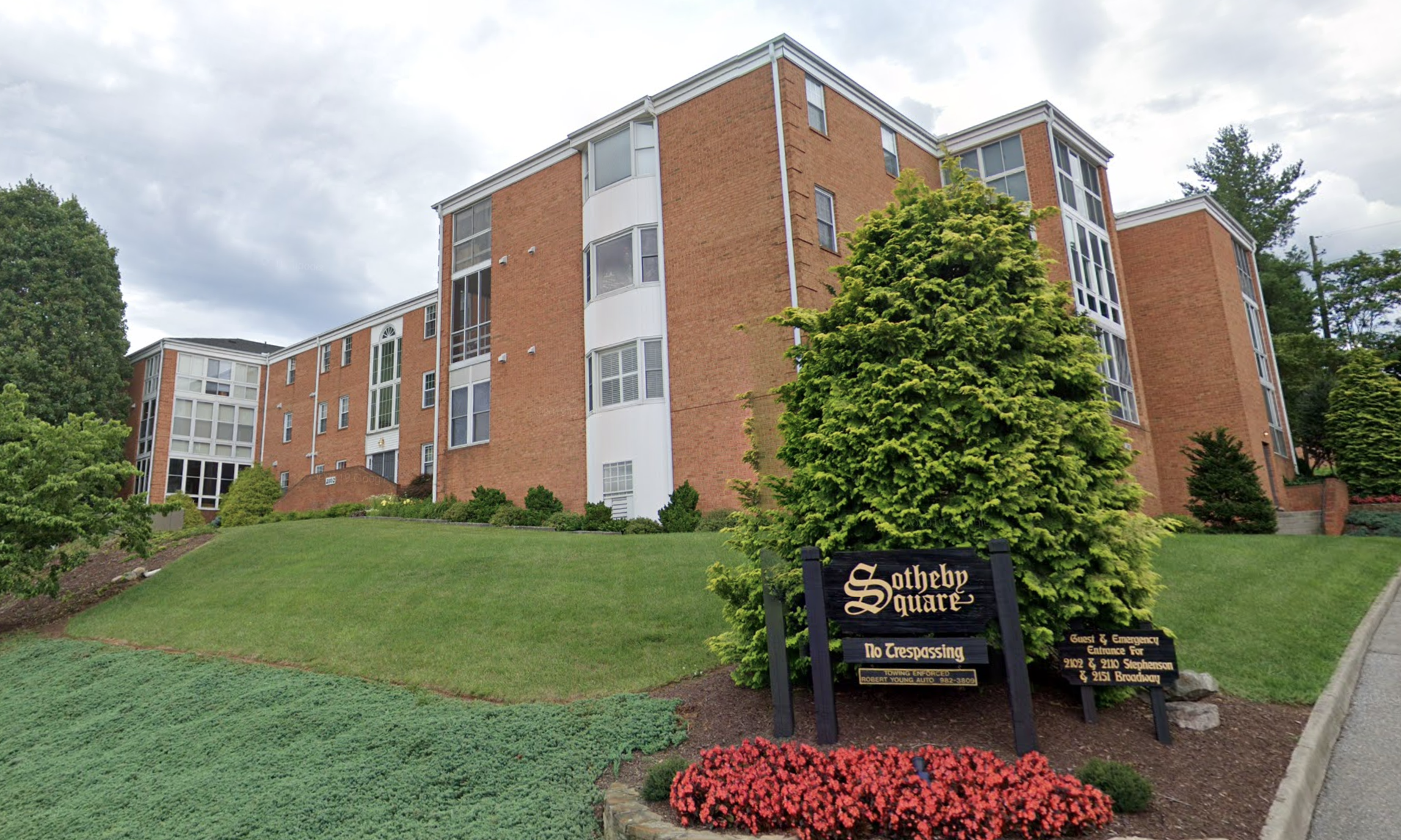
Review the association's financial health
The association's budget can show how it plans for ordinary expenses, but one document is not a complete financial review. Ask for the current budget, recent meeting minutes, reserve information, and insurance details. Also request notices of pending or approved assessments when they are available.
Look for the work the community expects to fund. Roofs, siding, paving, and elevators can create large projects. So can retaining structures, exterior stairs, and shared systems. Ask what has been completed, what is planned, and how the association expects to pay for it. A reserve balance by itself does not tell you whether the funding is adequate for the community's actual needs.
Virginia law addresses resale certificates for property owners associations. Virginia Code 55.1-2310 describes information that may be included in that certificate. A condominium or another community may use different documents and requirements. Have the appropriate real estate, legal, financial, and insurance professionals review questions that go beyond a general buyer conversation.
Use the contract period to verify the details
Ask when the association documents will be delivered and how much time you have to review them under the contract. Read the actual agreement and disclosures for the property. Deadlines and rights depend on the contract and the type of community, so do not treat a general checklist as a substitute for reviewing the terms in front of you.
If the documents reveal a pending assessment, a restriction that affects your plans, or a maintenance question, get the answer in writing from the appropriate source. Ask your lender whether the association or project affects financing. Ask an insurance professional about coverage. If the unit or common areas raise a structural, moisture, or systems question, arrange the right inspection.
Compare the condo with realistic alternatives in Roanoke City, Roanoke County, Salem, or Vinton based on the routine and property type you want. J&D's guide to touring a home can help you organize the unit and the setting during a showing, but the association records deserve their own review.

Roanoke condo buying FAQs
Are condo association dues included in my mortgage payment?
Usually not. Condo association dues are generally billed separately from the mortgage payment. Confirm the billing setup with the association and your lender, then include the dues in your monthly housing budget.
What do condo association dues usually cover?
Coverage varies. Dues may pay for common-area maintenance, some exterior work, insurance for shared property, and management. They may also cover trash, water, or amenities. Read the governing documents and budget for the specific community rather than relying on a general assumption.
Should I review the condo association budget before making an offer?
Yes. Ask for the budget and available information about reserves, insurance, projects, and assessments as early as possible. The contract may provide a formal document-review period, but the exact rights and deadlines depend on the agreement.
Can a condo association prevent me from renting the unit?
It may have rental limits or other conditions. Review the current declaration, bylaws, rules, and any rental-cap information before treating future rental income as part of your plan.
Is a condo easier to maintain than a detached home?
Some exterior or common-area work may be shared, but the association does not remove every ownership responsibility. Confirm who maintains the unit's systems, windows, doors, and balconies. Ask separately about parking and other areas that matter to your property.
If you are considering a condo in Roanoke, Salem, Vinton, or another nearby community, look at the unit and the association together. J&D can help you organize the property questions and compare the full ownership picture before you make an offer. Start the Roanoke-area buying conversation with J&D.