
How to Price a Roanoke Home When Buyers Have More Choices
Pricing a Roanoke home is not just picking the number you hope to get. It is deciding how your house should compete against the homes buyers can see right now.
That matters because buyers rarely look at the structure itself in isolation. They compare around 10 different factors including of course location and the overall feel. A house in Cave Spring may be judged differently than one in Salem, Vinton, Bonsack, or another part of the Roanoke Valley, but the buyer is still asking the same basic question: does this home make sense compared with the alternatives?
If you are preparing to list, J&D's Roanoke-area selling resources are a good place to start. This guide focuses on the pricing decision itself: what to look at before you choose a list price, chase the market, or assume buyers will "just make an offer."

Roanoke mountain home.
Start With the Competition Buyers Actually See
A seller may think mostly about what they paid, what they owe, what they have improved, or what they want to net. Buyers start somewhere else. They look at what is available.
That is why active competition matters. If buyers can choose between several homes near the same price, the listing has to earn attention quickly. Photos, condition, location, layout, updates, and obvious repair concerns all affect whether a buyer clicks, schedules a showing, or moves on.
Recent comparable sales still matter, but they are only part of the picture. A home that sold three months ago may not reflect today's active competition, rate environment, buyer urgency, or condition expectations. A smart pricing review looks at both sold comps and current alternatives.
This is also where overpricing can quietly cost sellers leverage. If the price causes buyers to skip the listing during the first week, the home may lose the attention it needed most. Later reductions can help, but they do not always recreate the same momentum.
Condition Changes the Price Conversation
Two homes in the same neighborhood can need very different pricing strategies.
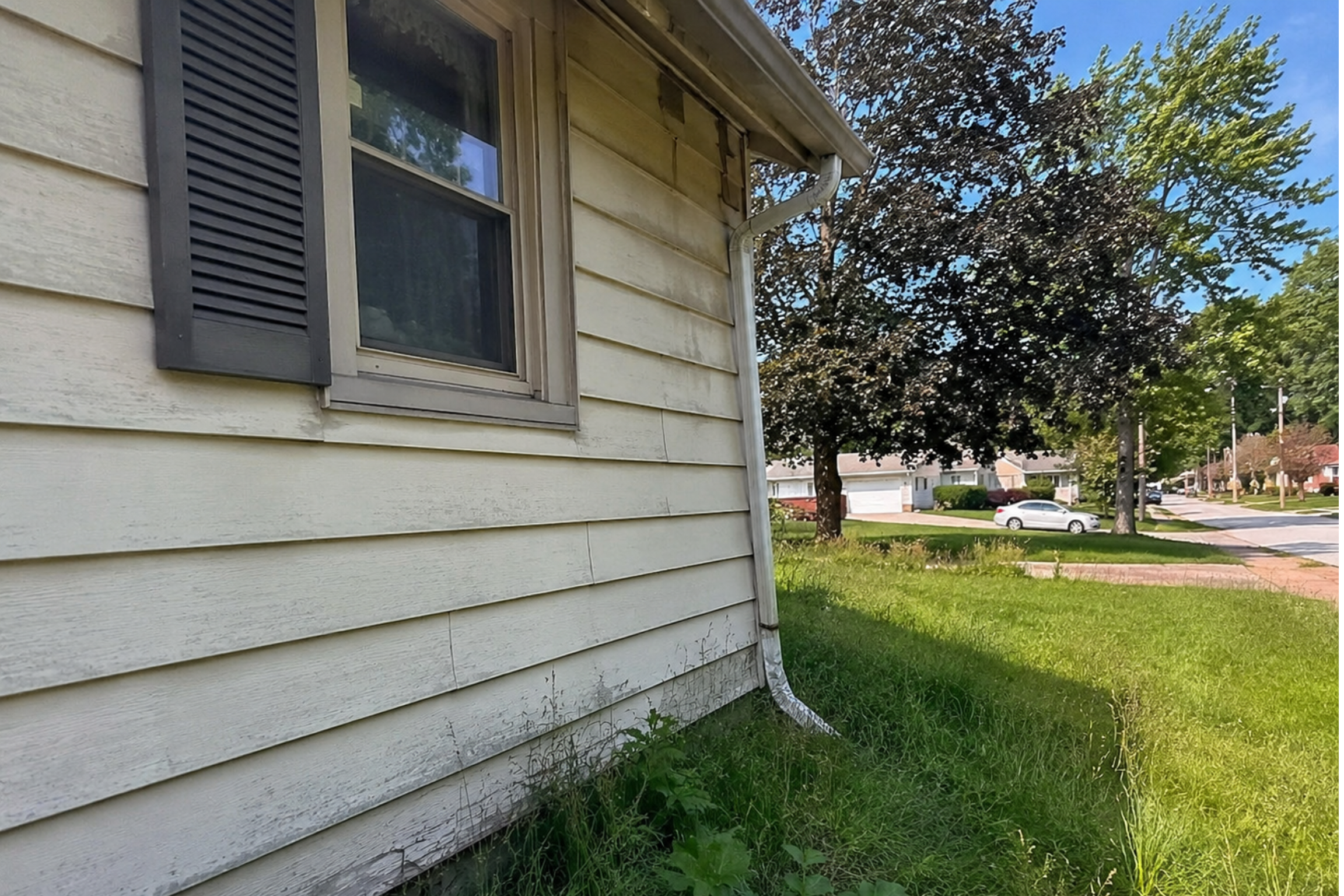
A well-prepared home with clean photos, fresh paint where needed, handled maintenance items, good lighting, and clear presentation may support a stronger launch. A home with visible deferred maintenance, older systems, poor curb appeal, or obvious inspection concerns may need a more careful price even if the location is strong.
That does not mean every seller should renovate before listing. The better question is whether a repair or improvement changes buyer confidence enough to matter. Some fixes reduce friction. Others cost money without moving the final result.
J&D's guide on what to fix before selling a house in Roanoke is useful here because pricing and preparation should be considered together. A home can be priced correctly for its condition, or improved enough to justify a different number. Guessing is where sellers get into trouble.
Neighborhood Demand Is Not One-Size-Fits-All
Roanoke-area demand changes by neighborhood, price range, and buyer type.
Some buyers are focused on commute and convenience. Some care most about school-zone preference. Others want older-home character, more land, a newer layout, walkability, garage space, one-level living, or easier access to work, family, or services.
That means a pricing strategy should not treat the whole Roanoke Valley as one market. A Cave Spring seller may be competing against other Roanoke County homes with similar school-zone and daily-access appeal. A South Roanoke seller may be judged on convenience, condition, and character. A Salem or Vinton seller may be compared against affordability, commute, home age, lot, and updates.
The useful question is not "what are homes selling for in Roanoke?" The useful question is "what will the most likely buyer compare this specific house against this week?"
For sellers who want to understand how buyers are making those comparisons, J&D's article on choosing the right Roanoke neighborhood before buying is a helpful companion piece. It shows the buyer-side thinking that sellers need to price against.
Watch the First Two Weeks Closely
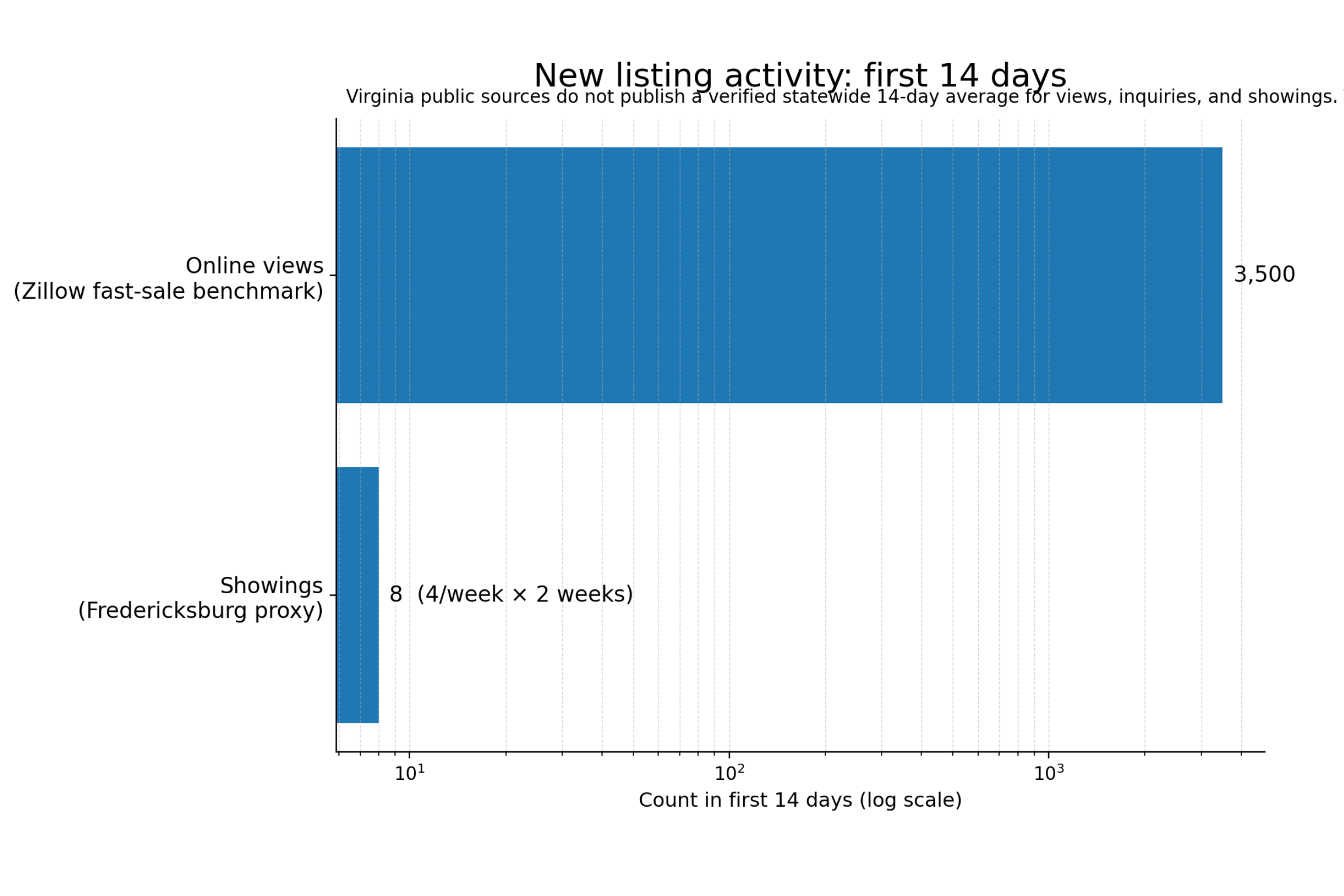
The first couple of weeks after launch are useful because they show how the market is responding.
If the home gets strong online activity, showings, questions, and serious interest, the price and presentation may be close. If the listing gets views but few showings, buyers may be rejecting something before they ever walk in. If showings happen but feedback is consistent, the issue may be condition, layout, price, odor, repairs, access, or how the home compares once buyers see it in person.
One weak showing does not mean the price is wrong. A pattern matters more than a single opinion. But sellers should not ignore repeated signals just because the feedback is frustrating.
This is where a local pricing review should stay practical. Look at new listings that entered the market after yours. Look at pending homes. Look at reductions. Look at what buyers are choosing instead. Then decide whether the best move is better marketing, a condition adjustment, a price correction, or patience.
J&D's article on what actually makes a house sell fast in Roanoke explains why speed usually comes from the whole package, not one trick.
Use Estimates Carefully and Price With a Plan
Online estimates can be a starting point, but they should not be the pricing plan.
Automated values may miss condition, updates, layout, basement usability, parking, views, lot quality, drainage, renovation quality, street feel, buyer objections, and the difference between a home that photographs well and one that only looks good in a data model.
They can also miss local timing. A seller looking at a high estimate may not realize that similar active homes are sitting, that buyers in the price range are sensitive to repairs, or that a nearby sale had features their home does not have. A seller looking at a low estimate may not realize their home has condition, layout, or location strengths the model does not understand.
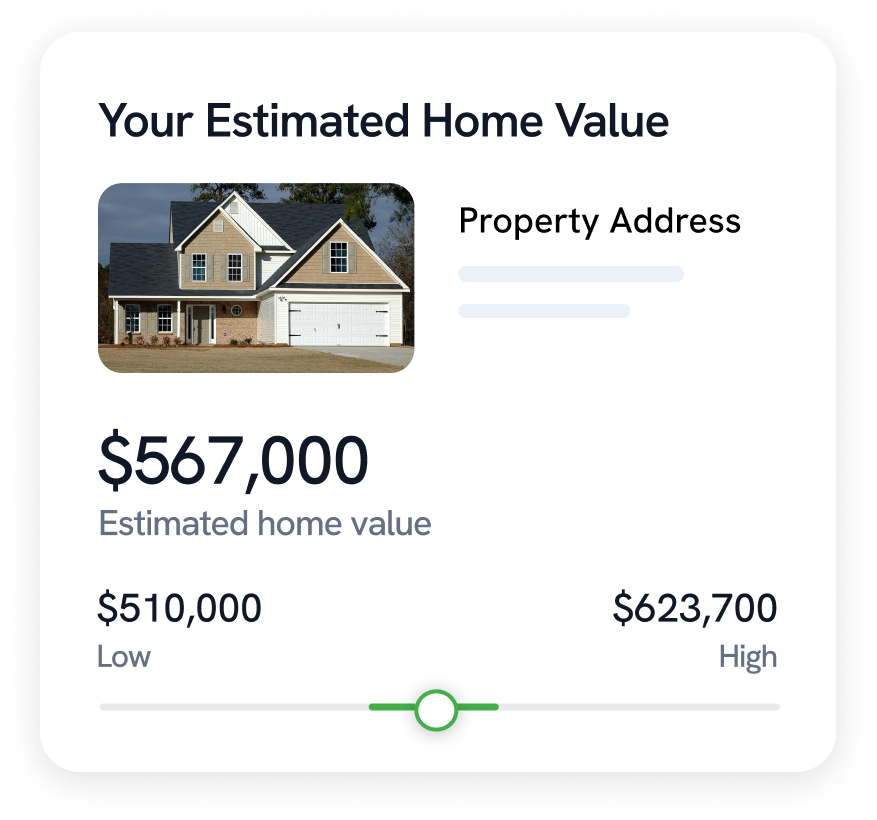
Use online estimates as one input. Then check the real market: comparable sales, active listings, pending activity, condition, buyer demand, financing realities, and the home's likely first impression.
A price reduction is not a failure. Sometimes it is the correct move. The problem is waiting too long because there was no plan.
Before the listing goes live, sellers should know what signals they will watch and what they will do if the market response is weaker than expected. That does not mean panic after a few days. It means having a clear decision framework instead of reacting emotionally.
Think about how many showings would be reasonable for the price range, whether online views are turning into appointments, what feedback repeats across buyers, what new competition appears after launch, whether comparable homes are going pending faster, whether condition issues are hurting confidence, and what price adjustment would actually change buyer behavior.
The goal is to protect leverage. A strong launch, realistic price, and clear follow-up plan usually beat a hopeful price with no next step.
Roanoke Home Pricing FAQs
How do I know what price to list my Roanoke home for?
Start with recent comparable sales, current active competition, neighborhood demand, condition, updates, timing, and the likely buyer pool. The right list price should make sense against what buyers can actually choose right now.
Should I price my home high and leave room to negotiate?
Sometimes a little negotiation room is fine, but pricing too high can cause buyers to skip the listing entirely. If the home misses the right buyers during the first week or two, later negotiation may be harder.
Do repairs affect my list price?
Yes. Repairs, maintenance, curb appeal, and visible condition can affect buyer confidence. Some fixes may support a stronger price, while unresolved issues may need to be reflected in pricing or negotiation strategy.
How soon should I reduce the price if my Roanoke home is not getting showings?
Look for patterns first. If online activity, showings, and feedback are weak compared with similar homes, review price, presentation, access, condition, and new competition. The timing depends on the market response, not a fixed number of days.
Can an online home value estimate be wrong?
Yes. Online estimates can miss local condition, updates, layout, buyer demand, and active competition. They are useful as a rough input, but they should not replace a local pricing review.
J&D Realty Team helps Roanoke-area sellers look at the details of today's market before they list, so pricing decisions are based on facts instead of guesswork.
Need help thinking through your price before you go live? Start here: https://liveroanoke.com/selling